



Fashion Design Colleges in Kolhapur: Building a Career Beyond the Runway
Published: 20th Aug'26
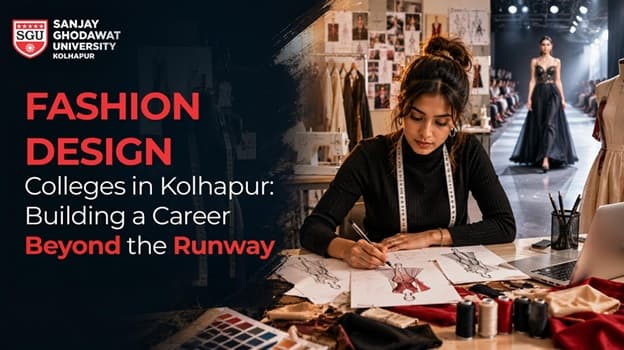
Fashion is no longer limited to runway shows and designer labels. The industry has expanded into digital fashion, sustainable materials, fashion technology, e-commerce, personal styling, branding, merchandising, and content creation. This changing landscape has created diverse opportunities for students who want to turn creativity into a professional career.
fashion design colleges in Kolhapur can provide a strong foundation by combining design knowledge with practical skills, industry awareness, and creative experimentation. For aspiring designers, choosing the Fashion designing colleges in Kolhapur fashion design colleges in Kolhapur is not simply about learning how to create garments. It is about developing the ability to understand consumers, identify trends, experiment with materials, create marketable designs, and build a distinct creative identity.
Why Is Fashion Design Becoming More Than Just Clothing Design?
The modern fashion industry connects creativity with business, technology, culture, and sustainability.
A fashion professional may now work across areas such as:
- Apparel design
- Fashion styling
- Fashion merchandising
- Textile design
- Fashion illustration
- Fashion communication
- Sustainable fashion
- Costume design
- Fashion photography
- Brand development
- Digital fashion
This means students can build careers based on their individual interests rather than following a single traditional career path.
Why Choose Kolhapur for Fashion Design?
1. Affordable Fashion Design Education
Kolhapur can offer students a more affordable option for pursuing fashion design compared with larger cities. Lower education and living expenses can make fashion education more accessible.
2. Growing Fashion and Textile Industry
Kolhapur has a strong connection with the textile, apparel, handicraft and traditional clothing sectors. This provides students with opportunities to understand local fashion businesses and industry practices.
3. Practical Learning Opportunities
Fashion design is a hands-on field where practical experience is essential. Students can benefit from workshops, design projects, exhibitions, internships and industry interactions during their studies.
4. Exposure to Traditional and Contemporary Fashion
Kolhapur's rich cultural and textile heritage can help students explore traditional designs, fabrics, techniques and contemporary fashion trends. This combination can encourage creativity and unique design perspectives.
5. Opportunities to Develop Entrepreneurial Skills
Fashion students can explore opportunities beyond conventional employment, including boutique businesses, fashion brands, styling, apparel production and freelance design. The local market can provide a starting point for developing entrepreneurial experience.
6. Comfortable Student Environment
Compared with larger metropolitan cities, Kolhapur can provide a relatively manageable lifestyle for students. Lower day-to-day expenses and a less hectic environment can allow students to focus on their education and creative development.
How Fashion Designing Colleges Prepare Students for the Industry
1. From Sketches to Finished Garments
Design begins with an idea, but professional fashion design requires much more than a sketch. Students learn how an initial concept moves through research, concept development, sketching, fabric selection, pattern development, construction and final presentation.
This process helps students understand how creativity is transformed into a finished product.
2. Understanding Why People Buy Fashion
Successful fashion is not only about what looks good—it also needs to connect with its audience.
Students can explore:
- Consumer preferences
- Fashion trends
- Market positioning
- Lifestyle influences
- Buying behavior
- Target audiences
This helps aspiring designers create products that are both creative and commercially relevant.
3. Fashion Technology Is Changing the Design Process
Technology is becoming an important part of modern fashion. Students can explore areas such as:
- Digital fashion illustration
- Computer-aided design
- 3D garment visualization
- Digital pattern making
- Virtual sampling
- Fashion e-commerce
- Digital fashion presentations
Technology can help designers visualize ideas faster, experiment with different concepts, and improve the design development process.
4. Sustainability Is Reshaping Fashion
The fashion industry is paying increasing attention to environmental impact. Future-focused fashion education can introduce students to:
- Sustainable fabrics
- Upcycling
- Textile waste reduction
- Responsible production
- Eco-friendly dyes
- Circular fashion
- Ethical sourcing
Understanding sustainability allows students to design with both creativity and environmental responsibility in mind.
5. Students Learn to Build a Personal Design Identity
In a competitive fashion industry, having a recognizable creative identity can be valuable.
Students can experiment with:
- Colors
- Silhouettes
- Textures
- Prints
- Fabrics
- Cultural influences
- Contemporary design concepts
Over time, this experimentation can help students discover their own design language and develop a portfolio that represents their creative strengths.
Fashion Careers Beyond the Runway
One of the biggest misconceptions about fashion education is that graduates can only become fashion designers. The industry offers several specialized career paths.
Fashion Stylist
Creates complete looks for individuals, brands, media productions, and fashion campaigns.
Fashion Merchandiser
Connects design with business by helping organizations plan products according to market demand and consumer preferences.
Textile Designer
Creates patterns, prints, textures, and surface designs for fabrics and fashion products.
Fashion Illustrator
Transforms creative concepts into visual representations used for communication and presentation.
Fashion Entrepreneur
Builds an independent fashion label, boutique, online store, or specialized fashion business.
Fashion Communication Professional
Works on fashion storytelling, branding, campaigns, social media, and visual communication.
Costume Designer
Creates clothing concepts for films, television, theatre, advertising, and other creative productions.
Sustainable Fashion Professional
Works on environmentally responsible materials, production processes, recycling, and circular fashion initiatives.
Building a Fashion Portfolio That Gets Attention
A strong portfolio can communicate a student's creativity more effectively than a list of qualifications.
Students can include:
- Fashion illustrations
- Mood boards
- Textile experiments
- Garment construction
- Collection concepts
- Styling projects
- Photography
- Sustainable design projects
- Digital fashion work
A portfolio should demonstrate not only the final design but also the thinking and creative process behind it.
Trends Fashion Students Should Watch
Digital Fashion
Virtual garments and digital clothing experiences are creating new possibilities for fashion presentation and experimentation.
AI-Assisted Design
AI tools can support trend research, concept development, visual exploration, and design ideation.
Sustainable Fashion
Consumers and brands are increasingly exploring responsible materials and production models.
Fashion E-Commerce
Online shopping continues to influence how brands present, market, and sell fashion products.
Personalization
Technology and consumer data are enabling brands to offer more personalized fashion experiences.
Upcycling and Circular Fashion
Reusing materials and extending product lifecycles are becoming increasingly important design considerations.
From Creative Passion to Professional Identity
A successful fashion career is built gradually. Students begin by exploring their creativity, then learn technical processes, understand consumers, experiment with different design approaches, develop portfolios, and eventually discover the area of fashion where they can create the most value.
The journey can be visualized as: Creativity → Design Skills → Experimentation → Portfolio → Industry Understanding → Professional Identity.
This makes fashion education a pathway for developing both creative confidence and professional direction.
Conclusion
Fashion today extends far beyond the runway. It connects design with technology, sustainability, business, branding, consumer behavior, and digital experiences, creating exciting career possibilities for aspiring fashion professionals.
For students exploring fashion designing colleges in Kolhapur, the right institution should encourage creativity, practical learning, portfolio development, and awareness of emerging trends. Sanjay Ghodawat University (SGU), Kolhapur provides an environment focused on developing creative and industry-relevant skills. Choosing among the best fashion designing colleges in Kolhapur can help students turn their creative passion into a professional identity and explore diverse opportunities in the fashion industry.
FAQs
1. What can students learn at fashion designing colleges in Kolhapur?
Students can learn fashion illustration, garment construction, textile design, pattern development, styling, fashion communication, merchandising, and other design-related skills.
2. What careers can students pursue after studying fashion design?
Graduates can explore careers in fashion design, styling, merchandising, textile design, fashion communication, costume design, entrepreneurship, and sustainable fashion.
3. Is fashion design only about creating clothes?
No. Modern fashion includes branding, technology, sustainability, e-commerce, styling, merchandising, textiles, communication, and digital experiences.
4. Why is a portfolio important for fashion design students?
A portfolio showcases a student's creativity, technical abilities, design thinking, experimentation, and ability to develop concepts into finished work.
5. How can students choose the best fashion designing colleges in Kolhapur?
Students should evaluate practical facilities, design studios, faculty, portfolio development, industry interaction, technology exposure, workshops, exhibitions, and opportunities for creative experimentation.


